Entrepreneurship
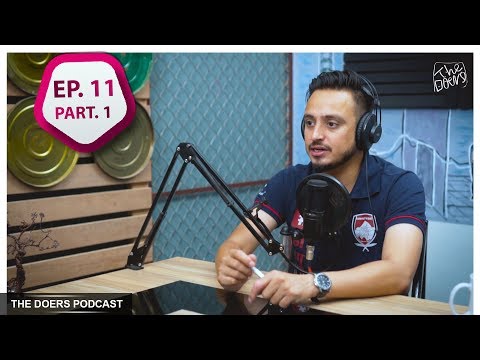 ▶
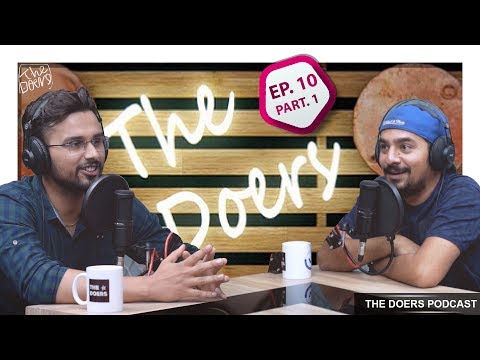
▶THE DOERS with AVASH GHIMIRE || YOUTUBER/SPORTS ANALYST || EP 11 PT 1 || NEPALI PODCAST
Featuring AVASH GHIMIRE
Deep-dive conversation with AVASH GHIMIRE who are shaping the future of Nepal's industry, tech, and creative landscape.
Beyond Likes and Views: The Long Game of Digital Media in Nepal
The media landscape is in constant flux, but in Nepal, this evolution is particularly pronounced. A profound shift is underway, moving from the established realms of television and radio to the dynamic, often chaotic, world of digital platforms, primarily YouTube. This isn't merely a change in distribution; it's a fundamental redefinition of what constitutes media, who creates it, and what it takes to build a lasting presence. For content creators navigating this transition, the journey demands more than just chasing fleeting trends; it requires authenticity, consistency, and a long-term vision to cultivate meaningful impact.
The Unforgiving Shift from Broadcast to Digital
Avash Ghimire, a seasoned voice in Nepal's evolving media scene, began his entrepreneurial journey not in media, but with a futsal business. This venture, notable for its unique non-filling astroturf, offered an early lesson in differentiation—a concept that would prove critical in his later media career. His foray into traditional media began at TTV (Terai TV) and later extended to radio. However, these experiences quickly illuminated the inherent challenges of Nepal's broadcast environment.
Traditional television in Nepal, at the time, grappled with unmeasurable TRP (Television Rating Points), making it difficult to quantify audience reach and attract advertisers. The operational costs were astronomical, with channels paying significant sums for satellite usage and even to cable operators for carriage—a stark contrast to international models where channels are paid. Compounded by chronic load shedding and outdated equipment that required laborious analog-to-digital conversion, the struggle was immense. TTV's eventual shutdown following the 2015 earthquake served as a stark reminder of the fragility of traditional media models in the face of both economic and external pressures. The financial returns from these traditional platforms, Avash realized, often paled in comparison to the direct ownership and satisfaction derived from his own business ventures.
The Rise of the "Era of Voices"
Avash's transition to YouTube, from early reaction videos to in-depth sports analysis and long-form content, mirrors a broader industry movement. This digital migration marks the rise of what he terms the "era of voices," a departure from the traditional "RJ" (Radio Jockey) persona. This new era emphasizes authenticity and a direct connection with the audience, where individual creators, or "voices," build personal brands that resonate beyond the confines of a studio.
YouTube, in this context, emerges as a powerful, accessible learning platform. Avash himself attests to learning photography entirely from YouTube, underscoring how digital resources are democratizing skill acquisition outside formal institutions. The platform allows for the cultivation of a personal brand, a valuable asset that can be leveraged across various endeavors, much like established corporate brands. For many creators, YouTube offers an unparalleled avenue for recognition and reach, often surpassing the influence of traditional TV. It represents a digitized, more accessible form of television, where creators can directly influence and connect with their audience.
Nepal's Trending Page: A Mirror or a Misconception?
A critical point of contention in Nepal's digital media discourse is the nature of its YouTube trending page. Often dominated by low-quality, purely entertainment-focused, or even vulgar content, it frequently draws criticism. Some argue this reflects the audience's preference for superficial engagement.
However, Avash offers a compelling counter-argument: the issue isn't necessarily the audience's taste, but rather a scarcity of high-quality, diverse content. He posits that if creators consistently offer compelling, well-produced alternatives, the audience will gravitate towards them. The market, he argues, responds to what is presented. This perspective challenges the notion that the trending page is an accurate mirror of national preference, suggesting instead that it highlights a vacuum in serious, impactful content creation.
The practice of traditional TV channels simply "dumping" their broadcast content onto YouTube is a prime example of this misalignment. This approach often fails to adapt to YouTube's unique demands for engagement, pacing, and format, treating it as a mere repository rather than a distinct medium. This short-sightedness, alongside the temptation of "vulgarity for views," represents a dangerous trap for creators seeking quick monetization at the expense of long-term brand building and content integrity. While there is a strong appetite for comedy in Nepal, as evidenced by the success of traditional comedic acts and the rise of stand-up, the demand is for new, relatable, and well-crafted material, not just generic humor or shock value.
The Hard Truths of Building a Digital Legacy
The distinction between a "YouTuber" and a "content creator" becomes crucial in this evolving landscape. While anyone with a Gmail account can technically be a YouTuber, a content creator embodies intentionality, skill, and a broader vision. Success on YouTube, Avash explains, isn't a straight line; it involves navigating three distinct layers of creators: those who start enthusiastically but quickly fade, those who achieve moderate growth but lack a unique "X-factor," and those who achieve holistic growth through continuous improvement in equipment, editing, and content strategy.
The "frustration of succeeding" is a harsh reality often unseen by the audience. It involves countless late nights, relentless editing, consistent output, and significant personal investment. Avash's own channel, Paradigm, exemplifies the power of consistency and experimentation, maintaining a weekly video schedule without fail. Beyond individual effort, the digital space also fosters unexpected collaborations. The "Free Pranesh Gautam" campaign, where a collective of new-age media personalities rallied for a cause, demonstrated the immense power of YouTube to mobilize communities and influence public discourse beyond mere entertainment. This spirit of mutual support, likened to one candle lighting many others without diminishing its own flame, is vital for the growth and elevation of the entire digital ecosystem.
Cultivating a Future Beyond Fleeting Trends
The future of Nepal's digital media hinges on attracting more serious, committed creators. This requires a transparent conversation about the true effort, dedication, and long-term vision demanded by the platform. By being vocal about the realities of content creation—the persistence required to produce a hundred videos, even without immediate financial return—the industry can attract talent genuinely committed to impact rather than fleeting fame.
The ultimate goal, as Avash envisions it, is to transform Nepal's YouTube trending page. This isn't about imposing a top-down agenda but about empowering creators to elevate the quality of content, offering compelling alternatives to the current landscape. It's about recognizing that the "market doesn't care about us; the market cares about what you are presenting." By focusing on quality, authenticity, and a long-term perspective, content creators can not only build enduring personal brands but also collectively shape a digital future that truly influences lives and leaves a lasting legacy, far beyond the ephemeral metrics of likes and views.
Related Episodes
Keep Watching
Entrepreneurship
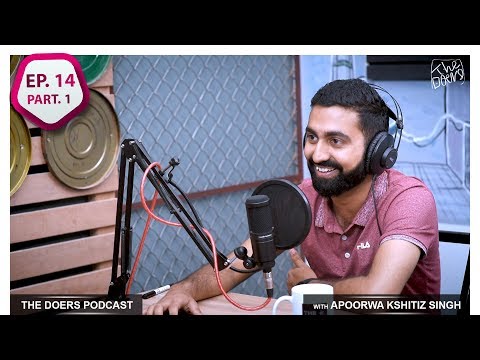
THE DOERS with APOORWA KSHITIZ SINGH || CHARTERED ACCOUNTANT/ STANDUP COMEDIAN || EP14 PT1|| PODCAST
Entrepreneurship
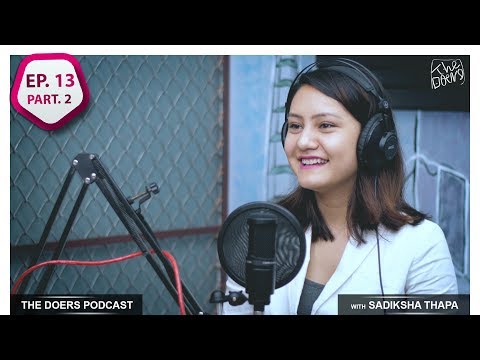
THE DOERS with SADIKSHA THAPA || TALENT MANAGER M&S ||EP 13 PT 2 || NEPALI PODCAST
Entrepreneurship