
Arts & Creativity
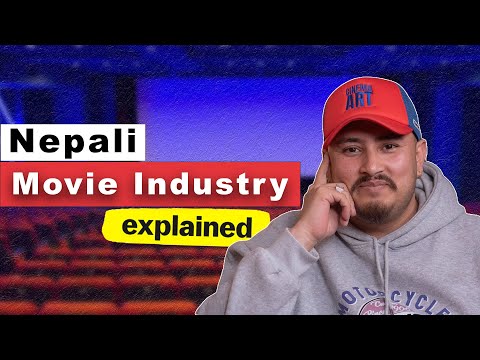 ▶
▶A Deep Dive Into Nepali Movie Industry || Raunak Bikram Kandel || Cinema Art Nepal
Featuring Raunak Bikram Kandel, Raunak Bikram Kandel is a producer involved in the Nepali film industry, discussing his experiences and insights on film production and revenue generation.
Deep-dive conversation with Raunak Bikram Kandel who are shaping the future of Nepal's industry, tech, and creative landscape.
Raunak Bikram Kandel: You don't really have much public presence, do you? Comparatively. Anup Ghimire: I tend to give less public presence. Raunak Bikram Kandel: Is that intentional? Anup Ghimire: It is intentional. Because, you see, with public presence, there's a sense that your personal life might be hampered to some extent. I'm a bit of a different kind of person, you know. Fun-loving. I feel like I might have problems if too many people recognize me. Raunak Bikram Kandel: Oh, okay. Sir, is this "Dimag Kharab" your fifth venture or sixth? Anup Ghimire: As a producer, it's my fifth. As in working, it's the sixth. Raunak Bikram Kandel: Sixth. Anup Ghimire: Yes. Raunak Bikram Kandel: And when it comes to taking credit... Anup Ghimire: The first time I was involved in publicity was with "Kabaddi." From "Kabaddi 2" onwards, I've been personally involved as a producer. Raunak Bikram Kandel: From "Kabaddi 2." Anup Ghimire: From "Kabaddi 2," then "Purano Dhunga," "Gham Pani," "Mister Jhole," and now, coming up to this point, recently "Dimag Kharab." Raunak Bikram Kandel: "Dimag Kharab." Can "Dimag Kharab" be called a superhit movie today? Anup Ghimire: Superhit? How do you define it? What do you call a superhit? Raunak Bikram Kandel: I think a basic standard would be box office success, right? Anup Ghimire: Financially. Raunak Bikram Kandel: Financially. Because, ultimately, doesn't it all reflect in finances? Anup Ghimire: It's not just about finances. Many movies, you know, are critically acclaimed. For instance, if you look recently in Nepal itself, there's this movie called "Road to a Village," which hasn't been released yet. But it has gone to festivals. Like "Kalo Pothi." Would you call that a superhit movie? It might not have done the same business as other movies in Nepal, but people liked it. It's considered a hit movie. So, if it breaks even and people like it, it's a hit movie. It doesn't have to be financially successful. There are also movies that are financially successful but not liked by people, right? Raunak Bikram Kandel: But as a producer, you're looking at the finances, aren't you? I mean, from a financial perspective, there has to be one, right? Because... Anup Ghimire: Not only finances, sir. If I just look at the finances and launch another venture tomorrow, people will criticize me. Raunak Bikram Kandel: That can happen too. Anup Ghimire: So, what I feel is that "Dimag Kharab" is a hit movie. Because financially, I'm secure. I'm in profit. And another thing, in all the movies I've made so far, the one I've received the most praise for is probably "Dimag Kharab." People have liked it. Raunak Bikram Kandel: It's still in theaters. I think it's the sixth week now. Anup Ghimire: Sixth week running. Raunak Bikram Kandel: Sixth week running. Regarding the movies you mentioned earlier, is the process in the movie industry that you first make the movie, then send it to festivals, and then release it in theaters? Anup Ghimire: As for festivals, none of my movies have gone to festivals so far. So, I don't have much knowledge about festival movies. But I don't know their criteria for not being commercially released. The first target might be festivals, and if it goes to festivals, that's fine, but I think a movie that has already been released probably can't go to festivals. Raunak Bikram Kandel: And your working process is obviously to release it in purely commercial halls, right? Or not? Anup Ghimire: Yes. Raunak Bikram Kandel: Sir, now, I and I think many people would like to know how a movie makes money. Right? I had the opportunity to work with you on "Dimag Kharab," and I learned a few things. But I still want to ask again, how does a movie make money? Anup Ghimire: Making money is all about execution, you see. Once it goes into execution, the money comes from the audience watching it in the halls. Raunak Bikram Kandel: From the tickets. Anup Ghimire: Yes, from the tickets. That's the more reliable source. Raunak Bikram Kandel: So, if we consider 100% revenue, what's the size of the revenue coming from the halls? Anup Ghimire: The size of the revenue from the halls, are you asking in terms of amount or something else? Raunak Bikram Kandel: Yes, in percentage. Like, 100% revenue. Anup Ghimire: For the producer? Raunak Bikram Kandel: Now, from the producer's perspective. What the movie earns. Anup Ghimire: In terms of what the movie earns, it's like, roughly, roughly 80-90% comes from the halls. 80% from the halls. Raunak Bikram Kandel: Which you earn within that four, five, seven, eight, nine, ten weeks. Anup Ghimire: Yes, that's it. Raunak Bikram Kandel: 80%. Anup Ghimire: Yes, 80%. Nowadays, the most earnings are in the first two weeks. Previously, it was only the first two weeks because it was 50-50. But now, it's 50-50 every week. Raunak Bikram Kandel: Ah. Anup Ghimire: Because of that, it feels like every week is a fresh release for you. Raunak Bikram Kandel: And now, of the remaining, let's say we earned 80% revenue from theaters, from the ticket perspective. What other avenues are there for a movie to make money? Anup Ghimire: Digital. Raunak Bikram Kandel: Digital rights. Anup Ghimire: And also by releasing in international theaters. Like in the US, Australia, Hong Kong, UK, and so on. You can earn there too. You can consider that around 15-20% of the earnings in Nepal can also come from international halls. And maybe about 5% from your digital rights. Raunak Bikram Kandel: All of these, besides the movie itself, you mentioned digital, and then international rights. Digital rights and international rights, you mean? Anup Ghimire: Digital rights include all the OTT platforms, YouTube, satellite channels, IPTVs. Raunak Bikram Kandel: Starting from YouTube. To name a few, like Highlights Nepal, Budha Subba, OSR? Anup Ghimire: Currently, OSR is the leading one. OSR, Budha Subba. Highlights is a bit down. It was at its peak at one time. Raunak Bikram Kandel: They buy the digital rights from you. So, considering all this revenue, the theater is the only place where it's not fixed, right? For example, if the movie does well, more people come. If it doesn't do well, they don't. But all these, like digital rights and international rights, are a chunk. Like an X amount, how does it work? Did you understand my question? Anup Ghimire: No. Raunak Bikram Kandel: For example, in the hall, if you do well, the revenue comes for however many weeks it runs, and that's shared among different stakeholders. If it earns a lot, a lot comes. If it earns less, less comes. Digital rights are like, for example, let's say 50 lakhs. Anup Ghimire: Yes, you deal for digital rights from the beginning. Depending on the hype of your project, you can set your rate. Raunak Bikram Kandel: So, it's a fixed amount, right? Anup Ghimire: Yes, a fixed amount. Raunak Bikram Kandel: So, if it's 50 lakhs, you received 50 lakhs. You sold the digital rights for 50 lakhs. Now, whatever they earn from that, does that belong to the person who owns the digital rights? Anup Ghimire: It belongs to them. That's why you receive 50 lakhs in advance. And in some conditions, you can include clauses. Raunak Bikram Kandel: What I'm trying to ask is, for example, you sold it for 50 lakhs. I bought it for 50 lakhs. I distributed it digitally. Now, from that, as far as I understand, I keep the first 50 lakhs. Then, let's say if I earn 1 crore from digital distribution, will you get anything from the remaining 50 lakhs? Anup Ghimire: That depends on how you deal with it digitally. If you say, "I'll take a percentage, and I also have an MG, a minimum guarantee, in my percentage." Raunak Bikram Kandel: MG means? Anup Ghimire: MG means minimum guarantee. So, for example, if you take 50 lakh rupees as an advance minimum guarantee, or whatever you've set. After you've recovered that amount, if my business makes more profit, if its potential is good, and if it can perform well as an OTT platform in the future, then you can negotiate for a percentage. That needs to be done from the beginning. If you sell it for just 50 lakh initially and then say, "Oh, it made a lot of money, my film wasn't just worth 50 lakh. It earned 1.5 crore, 1 crore, I need my share of that too," you can't say that. Raunak Bikram Kandel: Ah. So there's no hard and fast rule. It's about how you deal. Anup Ghimire: How you deal. Raunak Bikram Kandel: And a smart move would be, if the movie is good, to first take the minimum guarantee money. Then, for the subsequent profit, a certain percentage... Anup Ghimire: Percentage sharing. Raunak Bikram Kandel: Now, again, the percentage of sharing depends on your movie, your negotiation, your dealing. So it's pure negotiation. Anup Ghimire: Yes. Raunak Bikram Kandel: Now, regarding these digital rights. For how many years do you sell digital rights? Anup Ghimire: For digital rights, the buyer usually wants 99 years. But you can set your own terms and conditions. You can sell it for 15 years, 10 years, depending on what you sell. That depends on you. But for that, the buyer also needs to be ready. If the buyer says, "I won't buy it for less than 99 years." Raunak Bikram Kandel: You can't. At the end of the day. Anup Ghimire: You either keep the digital rights yourself or sell them as is. You can bargain if you have good dealings; you can sell it for like five years, ten years, that's up to you. Raunak Bikram Kandel: That makes sense. So after five years, they would have to delete it from their platform, right? Anup Ghimire: They would have to delete it. Raunak Bikram Kandel: Then you can use it in your own way. Now, if, let's say, within five years, suppose, for example, Netflix Nepal comes in two years. Let's say. Now, if you want to sell your movie to a distributor. Now, they will sell it to Netflix. Because they have the digital rights, right? Anup Ghimire: Ah. Raunak Bikram Kandel: They will sell it to Netflix. Now, based on your deal with them. If there's percentage sharing, you get a percentage. But if you sold it in a lump sum, in bulk, then you won't get anything. Anup Ghimire: Ah. Raunak Bikram Kandel: So, what I understand is that there are no fixed rules for this. It's about how you can negotiate, how you can crack your deal. Anup Ghimire: Exactly, it varies. For example, the deal I make. Other producers make deals according to their own terms; everyone's dealing is different. It's not the same. Raunak Bikram Kandel: Eh, okay. Anup Ghimire: The amount is different. Anup Ghimire: Suppose, uhm, let's say, for example, Netflix Nepal comes in two years. Let's say. Now, if you want to sell your movie to a distributor. Now, they will sell it to Netflix. Because they have the digital rights, right? Raunak Bikram Kandel: Eh. They will sell it to Netflix. Now, based on your deal with them. Right? If there's percentage sharing, you get a percentage. Anup Ghimire: Uhm. Raunak Bikram Kandel: But if you sold it in a lump sum, in bulk, then you won't get anything. Anup Ghimire: Eh. So, what I understand is that there are no fixed rules for this. It's about how you can negotiate, how you can crack your deal. Raunak Bikram Kandel: Exactly, it varies. For example, the deal I make. Other producers make deals according to their own terms; everyone's dealing is different. It's not the same. Anup Ghimire: Eh, okay. Raunak Bikram Kandel: The amount is different. Anup Ghimire: The criteria are different. Raunak Bikram Kandel: The criteria are different. Anup Ghimire: For example, if tomorrow someone says. Raunak Bikram Kandel: Different. Anup Ghimire: "Your platform is one thing, but if an Indian OTT or a global OTT comes to Nepal tomorrow, I'll make a separate deal for that," and if that's in the contract, then it will proceed accordingly. Raunak Bikram Kandel: Uhm. Anup Ghimire: Now, brother, let's talk about international rights. International rights are also lump sum. For example, if you sell it in Hong Kong, there's an X amount for Hong Kong, or based on what the exhibitor earns there. Raunak Bikram Kandel: No, it's lump sum, but it's like that. Anup Ghimire: Uhm. Raunak Bikram Kandel: But again, it depends on the movie. What's the cast like, what's the hype, right? Accordingly, the rate increases. If your movie isn't good, the cast isn't good, and there's no hype created, then obviously the buyer won't want to buy it. Over there, it's like this: for Nepali movies, when they are commercially released in theaters, it's still a bit problematic, like other movies. Because your crowd can't gather that much. That's why there's a trend of booking a particular hall, personally selling tickets to Nepalis, and making it houseful, and then running it. That's how Nepali movies are still running abroad. Anup Ghimire: Eh. Raunak Bikram Kandel: It's a theatrical release. But you have to sell tickets beforehand and book the hall. Book it and run your show like a special show. That's how they are running. Anup Ghimire: Eh. This year, in 2023, there was talk of dubbing Prem Geet 3 into Hindi. Did that open a new path, like being able to release Nepali movies in Indian theaters by dubbing them into Hindi? Raunak Bikram Kandel: No, I don't have much knowledge about Prem Geet. But perhaps theirs was also released in Hindi dub. It seems it was also released in theaters in India. This, in a way, has opened a new path because Nepali movies are being released in India by dubbing them into Hindi. But the question is how effective it is. Anup Ghimire: As a producer, you've also studied in India, right? And I recently had the opportunity to travel to India. The community that speaks Nepali, or rather, the community that speaks Nepali language, is quite large. Right? So, have you ever seen India as a market, or do you think it needs to be penetrated somehow? Raunak Bikram Kandel: It's like this, brother, there are many rules in India. To run their movies, there are many things. You can do it state-wise, like in the Eastern states, where you have Darjeeling, Sikkim, and your... Anup Ghimire: West Bengal. Raunak Bikram Kandel: West Bengal falls under West Bengal, everything like Kharsang and all. Uhm, Kalimpong. Where the Nepali community is a bit larger. Nepali is spoken a lot, the Nepali language is spoken. You can release it in those places. But overall, if you think, "I'll do it in Delhi, I'll do it here too," then it's not possible there. Anup Ghimire: It's about the network, right, brother? Raunak Bikram Kandel: It's about the network. Anup Ghimire: Network here. Raunak Bikram Kandel: And then it's the network. Anup Ghimire: Okay. So, to sum up, it's from a hall. Then digital rights. Then international distributors. These are three revenue avenues. Is there anything else? Did we miss out? Anything else? Raunak Bikram Kandel: No, this is it. Usually. Now, in some cases, there's brand endorsement, right? For some. Uhm. But there isn't that much brand endorsement in Nepali movies. That trend doesn't exist. Perhaps corporates don't see this industry as a way for their own publicity. Anup Ghimire: Or maybe they haven't been able to showcase it. Raunak Bikram Kandel: That could be. Maybe it's also because we haven't approached them, right? Because of a lack of approach towards each other, maybe. There's a barrier between corporates and this film industry. Anup Ghimire: Okay. Uhm. I understand. A question came to my mind: this "Doers" podcast is very corporate-focused, right? We're inviting entrepreneurs, CEOs, executives. For example, if any executives are watching this podcast today, someone from the corporate side, what is the right approach if they want to get integrated with the movie? Is it after the movie is released? Or during the movie's release? Raunak Bikram Kandel: No, that also needs to be done in advance. They need to come in from the pre-production stage. Anup Ghimire: During the writing phase itself? Raunak Bikram Kandel: Not during the writing, but before we go into shooting, during the pre-production workshops that are happening on stage. Some people also get involved during the publicity phase after shooting is done. Now, sometimes, when they're writing, there's a corporate entity that matches the story. For instance, they might need to show a bank, right? Or you might need to show remittance services, or cosmetics, right? If these things are done beforehand, it would be even better. Anup Ghimire: You might need to show a hospital. Eh. Okay. Because these kinds of things... Raunak Bikram Kandel: Because if they come after shooting, what happens is, if you need to show cosmetics, I might just show some random cosmetic. Right? Or I might create a random bank. I might show my own bank. Or I might show my own remittance service, right? At least, before coming in, I could have shown that. Anup Ghimire: If they don't come, then for example, if someone needs to drink Coke in the movie. If Coke hasn't sponsored you, would you put something like "Cola" or would you put "Coke"? Raunak Bikram Kandel: In many cases, we would put Coke. If it needs to be Coke, and they need to be shown drinking Coke, then instead of showing the bottle, we could just show dark liquid in a glass, calling it cold drinks. Anup Ghimire: Uhm. Okay. So, uhm, if a bank needs to be shown, would you show a specific bank, or would you create your own bank? Raunak Bikram Kandel: In many places, we have to create our own bank, right? Now, if we already have a tie-up, then obviously... Anup Ghimire: In a context where there isn't one. Raunak Bikram Kandel: In a context where there isn't one, we can create anything imaginary, right? We can create an XYZ bank. We can create anything. Anup Ghimire: Okay. Raunak Bikram Kandel: Because if there's no tie-up, in many cases, we might have to show things negatively. Then that bank might say, "We didn't do this, but you showed it like this." There can be such complications. Legal issues tend to arise more, right? The movie isn't seen as just a movie at that point. Anup Ghimire: Legal issues. Uhm. Which social media are you most active on, dai? Raunak Bikram Kandel: I am very down on social media, very much so. I just watch reels. Anup Ghimire: Not Facebook? Raunak Bikram Kandel: Not Facebook either. I prefer watching reels. Reels or shorts. Anup Ghimire: No, what I'm asking is, when this episode is released, we'll put one of your social media handles below. If by chance someone is watching and they just want to reach out, saying "Hi Raunak ji." It would be fine to put Facebook. Raunak Bikram Kandel: Putting Facebook is fine. Anup Ghimire: We need to put Raunak dai's Facebook account below the team. Moving on. Let's talk about money, dai, right? The producer and I have to talk about money. Now, the international rights and digital rights, that's direct income for you as a producer, right? Because you're dealing with that, right? The situation with the cinema hall is a bit complicated, right? I wouldn't say complicated, but there's a point to be understood. For example, let me explain what I understand. Please correct me if I'm wrong. For example, you mentioned 80% of the revenue. Let's say a ticket is 500. 500 is too much, let's say 350 for a standard hall, right? If I buy a ticket for 350, the hall owner receives 350. But how will that be bifurcated? It will be divided by two. Raunak Bikram Kandel: No. Anup Ghimire: 175. Raunak Bikram Kandel: First, you have taxation. The taxation deducted for the government is around 15 percent. You have 13% VAT. You take 5% from local bodies, municipalities, right? Anup Ghimire: Eh. Raunak Bikram Kandel: And when you aggregate that, it's about 15.82 percent. Anup Ghimire: Eh. Raunak Bikram Kandel: Roughly, when you add 5% and 13%, it's not 18%. Anup Ghimire: Okay. Raunak Bikram Kandel: It comes down to about 15-something percent. Anup Ghimire: Let's hypothetically say, let's not get into the math, right? Raunak Bikram Kandel: Let's say 16%, right? Anup Ghimire: 16%. So, if you have a ticket for 350, 16% is what we have to deduct for the government first. Let's say it's 15-point something. Rounding it to 16%. After 16% is gone, how much amount remains in your hand? Anup Ghimire: Let's say, again, let's not get into the math, let's say 300. Raunak Bikram Kandel: So, 300 remains, right? Then that 300 is divided by two, and 150 rupees go to the producer, and 150 rupees go to the hall owner. Anup Ghimire: Hall owner. And for example, every movie has different ticket prices. For example, sometimes when I went to watch a movie at Ranjana, I bought a ticket for about 175. Maybe it was Wednesday or Friday, they have some discounts, right? So, everyone has their own pricing, right? For the big cinemas, it might be different on weekends, something else on weekdays, right? Regardless of what they charge, you can't tell them to charge a certain amount, right? You just get your share after the tax is deducted and divided by two, right? Raunak Bikram Kandel: Yes, you can go and talk to the hall yourself. You can say, "Please set my ticket price at 300 rupees," or "500 rupees," right? But perhaps no one does that. That's something the producer handles. I can say, "Please set my ticket price at this." But whether the audience who buys tickets at that price will buy it or not is your risk. If people don't come to the hall to watch the film, the film will be pulled. Anup Ghimire: Pulled. So, let's say now, if it's 300, then 150. If they charge 300, and another hall, say ABC Hall, charges 200, then it's divided by two and comes to you, right? Now, here's another term: distributor. Raunak Bikram Kandel: Uhm. Anup Ghimire: What is that? What is the distributor's job? Because the producer makes the movie, the exhibitor shows the movie, right? Where does the distributor come in? Raunak Bikram Kandel: Let me explain the distributor's job. Look, there are seven stages in filmmaking. Anup Ghimire: Uhm. Raunak Bikram Kandel: It's in the producer's hands. I can say, "Please set my ticket price at this." But whether the audience who buys tickets at that price will buy it or not is your risk. If people don't come to the hall to watch the film, the film will be pulled. Anup Ghimire: Pulled. So, let's say now, if it's 300, then 150. If they charge 300, and another hall, say ABC Hall, charges 200, then it's divided by two and comes to you, right? Now, here's another term: distributor. Raunak Bikram Kandel: Uhm. Anup Ghimire: What is that? What is the distributor's job? Because the producer makes the movie, the exhibitor shows the movie, right? Where does the distributor come in? Raunak Bikram Kandel: Brother, if you ask what a distributor's job is, let's look at the seven stages of filmmaking. Uhm. Right. The first is what we call development. Uhm. Right? Uhm. Second is financing. Uhm. Third is your pre. Uhm. Right, pre-production. Then your fourth is production. Uhm, fourth is production. Fifth is post-production. Then comes, uhm, your marketing, and last is distribution. Uhm, right? Shall I explain the whole process? Anup Ghimire: No, I'm interested in distribution. Not the whole thing, just distribution. Raunak Bikram Kandel: But if you don't understand all of it, just distribution? Anup Ghimire: Go on, tell me then. Go on. Raunak Bikram Kandel: When we say development first, you develop the scripts. Uhm. You think of a script, you sit with a director. Either you search for a script, or based on the director's perception, you look for a script accordingly, saying, "Let's make something like this," right? That's development. Now, after that, if your script is ready, the director is ready, everyone is ready, then you need finance. Uhm. Yes, now financing. How much will this film cost? How much will be spent, you have to plan that in the pre-stage first. Uhm. Right? You have to set an imaginary round figure, an amount. It could be more or less, but you have to create a budget. That comes under financing. You have to gather the money. You have to move forward. Now comes your pre-production. In pre-production, you have scheduling, you have casting. Anup Ghimire: Workshop. Raunak Bikram Kandel: Then you have workshops, everything. Before going for shooting, you have to be ready. Right? Now, after that, what did I say was the fourth stage? Anup Ghimire: Production. Raunak Bikram Kandel: Production, right? Production means the shooting is done. The shooting is done, sound is included in that, from recording, right? Usually, we do these dubbing and all later. When doing sync sound, there are some problems. It's problematic in Nepal. It's fine only if it's a deserted area. Otherwise, when doing many things in a crowded place, it's not possible. And. Anup Ghimire: Then comes post-production. Raunak Bikram Kandel: Now, after that comes your post-production. Once you're in post-production, you have editing, sound mixing, background scoring, coloring. Anup Ghimire: VFX. Raunak Bikram Kandel: If you need to do VFX, then VFX, otherwise if you don't need it, then it's fine. Various other things fall under that. Right? We've reached the fifth stage, right? Now, coming to the sixth, your film. While it's in post-production, you also have to start marketing simultaneously. Anup Ghimire: You have to. Raunak Bikram Kandel: Right? People need to know that this product, a film, is coming. The release time, then you have to move towards marketing. Now, all this, in reality, is the distributor's job to market. Uhm. Right? But in Nepal, that thing doesn't exist. What is a distributor's job in Nepal? It's to give a certain MG amount or advance amount to the production during the making, in the financial stage. Second, our... Anup Ghimire: During production? Raunak Bikram Kandel: Second stage. You're not financing, you're in the second process. During financing, you also ask, who is my distributor? Anup Ghimire: Ah, okay. Raunak Bikram Kandel: You have to decide that. Anup Ghimire: Uhm. Raunak Bikram Kandel: How much money they will give, how much it will be, how easy it is for you, how feasible that amount is. Anup Ghimire: Uhm. Raunak Bikram Kandel: Right? You have to decide those things. Now, the distributor's job, in reality, is to handle everything from marketing to all publicity. They are a bridge between the producer and the halls. The distributor becomes the medium. The producer deals with the distributor, the distributor deals with the halls. How many halls to distribute to, which halls to give to, which not to, it's all in the distributor's hands. Right? Anup Ghimire: Which is a hassle for the producer, because. Raunak Bikram Kandel: It's a hassle, brother. Now you think about the film, or you think about going to the halls and doing that. So that hassle is for the distributor. And the responsibility for publicity is actually the distributor's. But in Nepal, that doesn't exist. That trend hasn't been established. Anup Ghimire: And this token amount, minimum guarantee amount that the distributor gives, is it given to every movie, every distributor gives it, or is it again based on assessment? Raunak Bikram Kandel: Based on assessment, brother. Based on assessment. Anup Ghimire: What difference does it make if they give it, and what difference if they don't, in the movie's business? It's easier for the producer. Raunak Bikram Kandel: For the producer, in a way, if they give it, it's financially easier, brother, it's easier. Right? For example, if you need to invest 1 crore rupees and you get 50 lakh rupees from the distributor, then you've already secured 50 lakh, right? Not the full 1 crore. The burden is reduced, right? Anup Ghimire: Uhm. Raunak Bikram Kandel: Right? That's the thing. Anup Ghimire: And at what point does this distributor recover the 50 lakh? Raunak Bikram Kandel: Your movie goes to the halls, it releases. Whatever money is supposed to come to the producer's share, from that money, first, they take their share. For example, if my film goes to the hall and earns 1000 rupees. After deducting 16% tax from 1000, it becomes 840. Out of 840, 420 rupees is the producer's share. Now, I took 200 rupees from the distributor. He will deduct his 200 rupees. Uhm. Right? Now, not from 420, first, the distributor also has a commission, right? Anup Ghimire: What percentage is the commission? Raunak Bikram Kandel: It depends, brother. Anup Ghimire: Again. Raunak Bikram Kandel: Up to you. Anup Ghimire: Uhm, okay. Raunak Bikram Kandel: Right? How you've made the deal. Now, if you've taken a huge amount, then a larger commission will be deducted. Uhm. Right? If you say you haven't taken any money, then the percentage will be less. Uhm. Right? Now you can deal from 3% up to 10%, 15%. Anup Ghimire: Ah, okay. Raunak Bikram Kandel: Right? Anup Ghimire: Okay. So, 420 was left. Raunak Bikram Kandel: 420 was left. Think, let's say 10%. Nowadays, 10% is average. 5-10 is common. Let's say 10%. So, 10% of 420. First, the distributor deducts their commission. Uhm. Now, 10% of 420, how much is that? 40, for 20 it's 2. That's 42 rupees. Anup Ghimire: Uhm. He deducted 42 rupees. Raunak Bikram Kandel: He deducted his 10%. Uhm. Then he deducts the 200 rupees advance that he gave us. The remaining amount, that's what the producer gets. Anup Ghimire: Ah. Okay. So the money coming from the hall goes through this process. First, the hall takes its share, then that money goes to the distributor, the distributor deducts their commission and token amount, and then the remaining money. And provided that if the producer hadn't taken that minimum guarantee or token amount from the distributor, then he deducts his commission and the remaining money. Raunak Bikram Kandel: Gives the remaining money. That's it. Anup Ghimire: Hahaha. Raunak Bikram Kandel: Why, are you thinking of getting into distribution, brother? Anup Ghimire: No, no, brother. So that our audience, if anyone wants to become a distributor, they can. Right? Raunak Bikram Kandel: They certainly can. Anup Ghimire: Sir, so we've missed something in the movie business, this finance business. Are there any steps like this, right? Raunak Bikram Kandel: That's about it. Uhm. The process is this. Anup Ghimire: The process is this. Sir, how do you see the Nepali movie industry, how much, let me rephrase my question. Raunak Bikram Kandel: Brother, it seems like you've forgotten what you're thinking. Anup Ghimire: No, no, no, I have. How lucrative is the movie industry in Nepal? Raunak Bikram Kandel: Nepal's. Uhm. Anup Ghimire: You ask why, but it's not me asking. For example, 6-7-8 months is a standard time for a movie to develop. Those seven steps you mentioned, from development to distribution, taking 6-7-8 months is an average, right? In 6-7-8 months, we've heard and seen movies doing business of 17 crore, 20 crore, even up to 22 crore. Very few businesses achieve this amount in this period. When I say very few businesses, what basis am I using? It's because this is digital, something intangible. If someone builds and sells a car, that's a different business, right? But this intangible, untouchable business, the one related to entertainment, seems so lucrative. From the outside, it looks that way. But you being an insider, how do you see it? How lucrative is the movie industry, or is it just that people lose money, there's no risk in Nepal? Very few people recover their money, or very few break even. How do you see it? Raunak Bikram Kandel: You've already answered it yourself. Anup Ghimire: No, please say it in your own words. Raunak Bikram Kandel: That's exactly what would come out of my mouth. You've already said it. You ask the question and then give the answer yourself. Anup Ghimire: So. Raunak Bikram Kandel: So, that's it, brother. Anup Ghimire: Uhm. Raunak Bikram Kandel: Think about it, more than 150 movies are registered every year in Nepal. Uhm. Right? Out of those registered, how many will actually be made? Maybe 50. Tentatively, right? Even 50 might not be made, man. Because there are only 52 weeks in a year. Anup Ghimire: Uhm. Raunak Bikram Kandel: Right? In 52 weeks, how many movies will you make? Even if you make 50. Anup Ghimire: Like one release every week. Raunak Bikram Kandel: Like one release every week. Anup Ghimire: That doesn't happen. Raunak Bikram Kandel: That doesn't happen. So, how many will be made and just sit there, packed away? Uhm. That happens too, right? Let's say, roughly, around 50 are made. Even out of those 50 made, maybe 20 get released. Uhm. They reach the halls. Around 20, right? Even those 20 don't all generate income. Uhm. It's limited. In a year, maybe 5-6 Nepali movies do really well commercially. Raunak Bikram Kandel: No, brother. Because there are only 52 weeks in a year. Anup Ghimire: Uhm. Raunak Bikram Kandel: Right? In 52 weeks, how many movies will you make? Even if you make 50. Anup Ghimire: Like one release every week. Raunak Bikram Kandel: Like one release every week. Anup Ghimire: That doesn't happen. Raunak Bikram Kandel: That doesn't happen. So, how many will be made and just sit there, packed away? Uhm. That happens too, right? Uhm, let's say, roughly, around 50 are made. Even out of those 50 made, maybe 20 get released. Uhm. They reach the halls. Around 20, right? Even those 20 don't all generate income. Uhm. It's limited. In a year, five or six Nepali movies do really well commercially. You can count them. If you look at it each year, maybe only seven movies. Uhm. That are really doing good business, breaking even, and making a profit. What about the rest of the movies? Anup Ghimire: They flop. Raunak Bikram Kandel: They flop, incur losses, right? They just flop. Some don't even reach the desk. They get stuck financially, and that's it. If someone doesn't come and inject money to revive them, no one will do that. Only if it's good, otherwise, it just goes to the desk. Uhm. So, you think about it yourself. How would the business be? Uhm. 20 movies are released, and out of those, only about five, six, or seven movies, you can count them on your fingers, manage to break even, make a profit, or become a hit and earn money. Anup Ghimire: Generally, if someone makes a profit from a business, they reinvest that profit into the same business, right? For example, if you made a profit from "Dimag Kharab," you reinvest the profit back into your new venture, the next venture, right? Now, someone who incurred a loss, their money is gone, and no money is coming in. In such a context, they might not attempt to make a new movie, they might give up. But if 150 movies are registered every year, 50 are being made, and 20 are being released, would it be wrong to say that there are more new makers in the industry than legacy makers? Raunak Bikram Kandel: You can say that, brother. You can. Uhm, mostly it's new makers. A lot of them are completely new makers. Anup Ghimire: That's why, that's why. Raunak Bikram Kandel: If you look at it, from 2015 until now. Or let's say from 2012, since the movie "Loot," there's been a drastic change in Nepali cinema. Nischal Rai's film "Loot" is considered the start of a new genre, right? From that time until today, 11 years have passed, from 2012 to 2023, 11 years. Take a look. How many movies, if you get that data from the Film Development Board. How many movies were made, how many were released, and how many were commercially successful. Uhm. You can get the whole list. Look there. All the successful movies are repeatedly from those old makers. The old makers who are repeatedly doing it. Uhm. Right? Those that flopped or couldn't do commercially well, those movies are made once, and those makers, after making it today, maybe after seven years, or they might not make it again. Maximum is that new makers keep coming. Anup Ghimire: That might be why the industry hasn't grown fast, right? Because there are fewer legacy players and more new players all the time, every year. That means experience isn't being carried forward anywhere, right? Raunak Bikram Kandel: That's it. Anup Ghimire: Uhm. Interesting. Is it right to make a movie with the intention of earning money? Raunak Bikram Kandel: The intention of earning money is also your right. More or less, the intention is to earn money, brother. How it is, in filmmaking, there's this one thing. Uhm. The things. I forgot what I was going to say, it just slipped my mind, brother. Anup Ghimire: For example, what attracts them, you clearly mentioned that. The reason this industry is attracting a lot of new makers is because besides money, there are other things that, once gone, are not really there. But from afar, it looks like, I'm earning money in seven months, I'm hanging out with celebrities, I'm famous, what I made is being shown nationwide. Raunak Bikram Kandel: How it is, some people, by giving wrong reviews, don't make the person small. For example, I made this film, right? Uhm, "Dimag Kharab." While making "Dimag Kharab," among all the movies I've made so far, personally, I like this movie the most, it's "Dimag Kharab." Right? And uhm. Now, I made "Dimag Kharab." Before "Dimag Kharab," look at how many movies, like you said earlier, have done 22 crore, 18 crore, 16 crore, right? And they genuinely did. But what's the trend now? If my movie doesn't do well financially, I'll release fake news. "The movie earned 10 crore, 20 crore." By releasing fake news like that, what happens to people is that this is also a marketing strategy. For example, the movie that earns money is the one that's good, people are going to watch it, right? Yes, in that way, it's to influence people's minds a bit. "It earned 10 crore, what is this movie that earned 10 crore?" Anup Ghimire: Like creating FOMO. "I might be missing out, I'll go watch it." Raunak Bikram Kandel: Call it an illusion. A mirage. People go to see what it is, and in the end, there's nothing. Maybe that movie earned you two or three crore. And when this thing comes out in the news, the problem is that new people get greedy. Anup Ghimire: Greedy. Raunak Bikram Kandel: Oh man, how much was this film made for? 2 crore. How much did it earn? 10 crore, 15 crore, 20 crore. Wow, this is a place to make money in a short time. They get greedy. That's wrong. This time, I haven't done anything fake myself, nothing at all. Whatever it is, it's in an authentic way, whatever it is, that's what it is. Anup Ghimire: And dai, one trend I've seen in Nepal is we see a lot of sequels. Part 2, Part 3, Part 4, Part 5, right? Part 6. And people say, "Isn't this the same trend in India?" or is it more in Nepal? Raunak Bikram Kandel: It's a trend in India too, brother. Anup Ghimire: Same trend? Raunak Bikram Kandel: Yes. Anup Ghimire: Not internationally? There are more sequels than there are, like, first-time releases. It feels like all the hit movies are sequels, like a series of sequels. Raunak Bikram Kandel: That's true, brother. When you release your first movie, think about how much effort you put into it, how you made it successful, right? Making a sequel is a safe bet. If I make "Dimag Kharab 2" tomorrow, people will think, "They should make "Dimag Kharab" again this time." Anup Ghimire: They'll watch it once. Raunak Bikram Kandel: Uhm, there's publicity, everything. When Part 2 comes out, obviously more people will be interested. Anup Ghimire: Right, but "Dimag Kharab 1" was so good, what will 2 be like? I'm not doubting its advantage. My question is just that I'm seeing too many of them. Raunak Bikram Kandel: That's it. It's an easy way for you. You don't have to do much publicity. Anup Ghimire: Uhm. Uhm. Raunak Bikram Kandel: Isn't it easier for you? Anup Ghimire: Yes. Raunak Bikram Kandel: That's why they make sequels. Anup Ghimire: Uhm. What's your plan for "Dimag Kharab" Part 2? Raunak Bikram Kandel: I haven't thought about it yet, brother, but maybe we'll see what happens. Anup Ghimire: Let's talk about "Dimag Kharab" itself, dai. For example, it's kind of a historical movie, in a way. Hahaha. Raunak Bikram Kandel: Uhm, okay. Anup Ghimire: It's like a new policy has been drafted, right? For example, I think we need to give the audience some context. Traditionally, how did movies work with that 50-50 split we discussed earlier? That was only for the first two weeks. After the third week, what used to happen? Correct me if I'm wrong. From the third week onwards, it used to be 65-35, right? Raunak Bikram Kandel: From the third week? Anup Ghimire: Uhm, 35. Raunak Bikram Kandel: It used to be like this. If you wanted to watch right from the beginning, then at first, producers used to get around 55%. Anup Ghimire: A long time ago. Okay. Raunak Bikram Kandel: This was back around 2012. Even then, it was 55%, then 50%. It went on like that. Big movies came. The owners of big movies are probably from India. What they did was set a new trend. They started giving a flat 50-50 to the producer. Whatever is running, not 55%, now only 50-50. 50 for the hall, 50 for the producer in the first week. Right. It continued like that, and our voices were also suppressed at that time. I wasn't even in this field then. And the voices were suppressed, right? Producers said, "We need more shares, we need more," but those voices remained just voices. Then, in between, it was revised. After this 50-50, it used to drop to 45 in the second week. If it was 50-50, it dropped from 50 to 45. Then, slowly, by the time you reached the last, third or fourth week, it would drop to around 35. Uhm, in between, it was around 37 or 42. At one point, and then it was revised again. After it was revised, it was probably during the lockdown, during the Covid time. Uhm, people had to be drawn to the halls, and there were threats too. For that reason, and for the producers' benefit, they said, "Let's do 50-50 for two weeks." First and second week 50-50. After that, from the third week, it became 35. Anup Ghimire: 35-65. Raunak Bikram Kandel: It became 45-65. 65 for the hall, 35 for the producer. Anup Ghimire: But that's as long as it runs. Raunak Bikram Kandel: As long as it runs. And when that happens, what happens is that movies that run for a long time, some really good movies that pick up slowly, like "Dimag Kharab." Those movies are really hampered. Raunak Bikram Kandel: At one point, and then it was revised again. After it was revised, it was probably during the lockdown, during the Covid time. Uhm, people had to be drawn to the halls, and there were threats too. For that reason, and for the producers' benefit, they said, "Let's do 50-50 for two weeks." First and second week 50-50. After that, from the third week, it became 35. Anup Ghimire: 35-65. Raunak Bikram Kandel: It became 45-65. 65 for the hall, 35 for the producer. Anup Ghimire: But that's as long as it runs. Raunak Bikram Kandel: As long as it runs. And when that happens, what happens is that movies that run for a long time, some really good movies that pick up slowly, like "Dimag Kharab." Those movies are really hampered. They can't even make it in the first two weeks. Now, like our movie, it only started picking up after the first two or three days. We did so much publicity, but even with so much publicity, people didn't come to the halls. But those who did come and watch, they said, "Oh, the film is good." The film is good, it's good, it's good, it's good everywhere. Because of that, it started picking up. It started picking up from the third or fourth day after the first two days. It kept going, going, going, going, right? I'd say it's still running. For movies like ours that run for a long time, it becomes a financial loss. Yes, and for that reason, for the benefit of all producers, we need 50-50. Anup Ghimire: Throughout. Raunak Bikram Kandel: Throughout. For Nepali movies. Because if our industry is to grow, if it's to develop, then at least the producers, all the genuine makers who are there, they need to be encouraged. Anup Ghimire: They have to make money so that they can make new movies. Raunak Bikram Kandel: New movies, right? Now, you're making a movie, but if you're not getting good money in hand, if it's not going well, then obviously, after a certain point, you'll say, "This is not for me," and turn around. You'll go somewhere else. You'll do some other business, something else, right? That will always hold you back. And for its success, we said that 50-50 is necessary. Anup Ghimire: Which is the agreement. Raunak Bikram Kandel: It's an agreement, right? This "Dimag Kharab" thing is what it's all about. But let me tell you something interesting, or rather, something I couldn't quite grasp. We went to a meeting, right? With the film industry, and all the senior people were there. The elders. And one time, they pulled out some data and said something interesting. Why give 50-50? We have hall expenses. We showed you 50-50 for the first two weeks. From the third week, the crowd also reduces. Right? We have to bear some of your expenses. There's electricity. There are so many staff. So many things. All these things are ours, right? We have to bear the cost for that too. When will we get ours? We have loans, this and that. This was one of the reasons. I found this whole thing quite funny. Right? The producer shouldn't be responsible for the hall's expenses. If the hall owner says, "I'm taking responsibility," then give me 80% from the first week. Anup Ghimire: I also made a movie by taking a loan. Raunak Bikram Kandel: No, I'm also doing this with a loan, brother. I'm getting finances from somewhere. I have to inject money from somewhere, right? I must have my own problems too. Anup Ghimire: Exactly. Raunak Bikram Kandel: I have to pay money to so many people. And the filmmaking process is such that everyone else is working for money, right? Only the producer is someone who is working with their money. They are working for profit. Anup Ghimire: Huh? The one who is working for profit. Because until the movie is released, there's no income, right? Raunak Bikram Kandel: And until then, the producer's money is being used, right or wrong? Now, if I tell a worker or someone, "Hey, I don't have money right now, I'll pay you after the release," they won't work for me for free, elder. Anup Ghimire: They won't. Raunak Bikram Kandel: Right. So, everyone is working for money. But until then, it's the producer's money that's being used. So, where are they injecting it from? They must have their own problems. They might have taken loans. They might have borrowed from someone. They might have borrowed at interest. Money has to come from somewhere. Right? And who will take responsibility for that? The hall? If my film doesn't do well financially, the producer is ruined. Anup Ghimire: Absolutely. Raunak Bikram Kandel: Right, they have to pay. And that was the hall owners' point, and I found it funny at the time. Hehe, I thought, "People think like this too." Now, the hall owners have other revenues too, right? Not just tickets. Anup Ghimire: Popcorn, etc. Raunak Bikram Kandel: Like popcorn. You know about the popcorn act. Anup Ghimire: I do. Raunak Bikram Kandel: Uh, those three options. "Take popcorn." When you go to the hall, you're not allowed to bring any outside food. Anup Ghimire: Yes, yes. Raunak Bikram Kandel: Right. You can't bring anything. Anup Ghimire: You can't. Raunak Bikram Kandel: Right. A popcorn might be 20 rupees. A Coke is 4 rupees. It costs you 150 rupees. Right. Now, add the making cost to that. Say, 20 rupees for staff cost, electricity, whatever you display. If it costs you a maximum of 20 rupees, maybe 30-40 rupees. Even 30-40 rupees isn't much. I've put a very high price, actually. A Coke is 4 rupees. Making popcorn costs 5 rupees, so that's 9 rupees. Add everything up, say 30 rupees. You're selling popcorn for 30 rupees at 150. What's the hall's profit percentage? Anup Ghimire: They get to sell it. We have no problem with that. That's Raunak Bikram Kandel: But actually, according to the law, if we talk about rules, they shouldn't be able to do that. Anup Ghimire: Eh. Raunak Bikram Kandel: You can't sell anything for more than a 20% markup. Anup Ghimire: Yes, yes. Raunak Bikram Kandel: That's a government rule. You can only sell at a 20% margin above your cost. But this rule isn't followed in Nepal. Understand? Anup Ghimire: I understand, elder. Moving on, moving on. Another thing, for example, the decision you made, when was that decision made relative to the movie's release? Raunak Bikram Kandel: We made that decision on our fifth day. Anup Ghimire: Not even a week. Raunak Bikram Kandel: See, this voice I'm raising, it's a voice that's been raised by everyone before, right? But no one has taken a stand. Because if I take a stand, I'll become a target. They'll target me. My film might not run. I'm financially stable. Anup Ghimire: Yeah, right. Raunak Bikram Kandel: Many makers are like that. Everyone is. Look, right? Before me, there were many good films. They also had a voice, right? If it's 50-50, I benefit. All producers benefit, right or wrong? But if I raise this voice, am I raising it for myself or for everyone? If it's just for one person, it's fine, but if it's for everyone, then I'm the target, right? No one dares to do it. It's just talk. But at this time, we, sitting with Nisal dai, took a stand, right? Anup Ghimire: This "Dimag Kharab" really messed with our minds. I was with my dad, going for a hike. You sent me that on WhatsApp, "Dimag Kharab." It truly messed with our minds. Raunak Bikram Kandel: And this time, we took a very bold stand. In Dharaap, it was actually our business. I was the most in Dharaap, brother. Anup Ghimire: In a way, this is like a suicide attempt. Because so much money is invested, and 80% of the revenue comes from the hall. Saying I won't screen it on the sixth day. Raunak Bikram Kandel: Fifth day. Anup Ghimire: Saying that from this Friday, it will be pulled from all halls. That's it. Raunak Bikram Kandel: What was it? Anup Ghimire: What's the. Raunak Bikram Kandel: Huh? Anup Ghimire: Do or die, it was like that. Raunak Bikram Kandel: What was the mindset? What? That. Anup Ghimire: Mindset. Raunak Bikram Kandel: The mindset, brother, is that it was a bit like this: while my movie was doing so well. Now, the same meeting will come up again. They showed some data. They said, "Why are we giving you so many shows? We've given you more shows." Anup Ghimire: Uhm. The issue of number of shows is a separate one. Raunak Bikram Kandel: And we did this because we didn't get these numbers of shows. It's about saying, "We need 50-50, and you need to increase the number of shows." And here, it's common that when a Hindi movie comes, Nepali movies are suppressed. And they showed some interesting data. Tiger had 67% occupancy. And Dimag Kharab had 65%. What's the percentage difference? Anup Ghimire: Two. Raunak Bikram Kandel: Two, right? With a 2% difference, there was a difference of 50-60 shows. Anup Ghimire: A 2% difference led to that. Raunak Bikram Kandel: Yes. And their data was: Tiger has 67% occupancy, while yours is only 65%. And because of that, they gave more shows to Tiger. That means giving 5-10 more shows is understandable. But giving 50-60 more shows is not a joke. Can you say it wasn't suppressed? Can they say they gave us a very reasonable number of shows? A difference of 2% with a difference of 60-70 shows. Anup Ghimire: What was the financial uhm incentive, meaning, behind this? This, for example. Raunak Bikram Kandel: So, how was it for Nepali movies? If we say our movie will run for a long time, then after the third week, didn't our shares decrease? Didn't we get less than 35%? Anup Ghimire: You got 65%. Raunak Bikram Kandel: And if they got 65%, then at that time, since our shows were more, the hall owners didn't get much revenue, right? Anup Ghimire: Uhm. And how is the finance for Hindi movies? For example, here, what do they say about Hindi movies? It's not like it's 50-50 for every show, right? Whatever comes, it all goes to the investor, right? Whether it's... Raunak Bikram Kandel: No, for the first two weeks, it's 50-50, I think, for Hindi too. Anup Ghimire: For Hindi too? Raunak Bikram Kandel: And then, from the third week, it significantly decreases, I feel. Anup Ghimire: Meaning 50%? Raunak Bikram Kandel: Does it start decreasing from the second week? Anup Ghimire: Isn't it that they buy it for a fixed amount and bring it? Raunak Bikram Kandel: They buy it from India for a fixed amount and bring it. Anup Ghimire: They buy it for a fixed amount and bring it, and whatever business happens here, that money doesn't go back to India, right? Which... Raunak Bikram Kandel: It doesn't go. It stays in Nepal. Anup Ghimire: What's the context of that 50-50? Raunak Bikram Kandel: Whoever is the person bringing the film. Anup Ghimire: Uhm. Raunak Bikram Kandel: And whoever is the person showing it. Between the hall, you know. Anup Ghimire: Uhm. And is that person bringing the film the distributor? Raunak Bikram Kandel: Yes, the distributor. Anup Ghimire: Ah, between the distributor and the exhibitor. And in some contexts, distributors and exhibitors in Nepal are in a bit of a grey area, meaning in some contexts, both people play both roles. Raunak Bikram Kandel: Yeah, both roles. It happens, it happens. Anup Ghimire: Eh. Raunak Bikram Kandel: The hall owner is also the distributor, why wouldn't they be? They are. Anup Ghimire: They are. So again, coming back to my previous question, about Wednesday, right? Raunak Bikram Kandel: Hey brother, don't let everything come out of my mouth, man. Invite others and ask them too. Anup Ghimire: Let it all come out of my mouth. Raunak Bikram Kandel: No, I mean, you were on the last line, so what do you call it, tension or pressure? Anup Ghimire: Uhm. Anup Ghimire: I bought it and brought it, and whatever business happened here, that money doesn't go back to India, right? Raunak Bikram Kandel: It doesn't go. That stays in Nepal. Anup Ghimire: And what's the context of that 50-50? Raunak Bikram Kandel: Whoever is the person bringing the film, and whoever is the person showing it, between the hall, you know. Anup Ghimire: And is that person bringing the film the distributor? Raunak Bikram Kandel: Yes, the distributor. Anup Ghimire: Eh, between the distributor and the exhibitor. And in some contexts, distributors and exhibitors in Nepal are in a bit of a grey area. Meaning, in some contexts, both people play both roles. Raunak Bikram Kandel: Yeah, both roles. It happens, it happens. Anup Ghimire: Eh. Raunak Bikram Kandel: The hall owner is also the distributor, why wouldn't they be? They are. Anup Ghimire: They are. Raunak Bikram Kandel: So again, coming back to my previous question, about Wednesday, right? Raunak Bikram Kandel: Hey brother, don't let everything come out of my mouth, man. Invite others and ask them too. Anup Ghimire: Let it all come out of my mouth. Raunak Bikram Kandel: No, I mean, you were on the last line, so what do you call it, tension or pressure? Because you were on the last line. The money was coming to you. So in that context... Anup Ghimire: How much did you strain yourself? Raunak Bikram Kandel: In terms of strain, brother, I did strain myself, truly. Right? Now, the most surprising thing is that I had told Nishal dai from the beginning, "Dai, our shows are decreasing, this is the situation." And Nishal dai had kept it in the hall. Dai didn't take this matter very seriously. I had told him, and then I got angry at one point. If I tell him and he doesn't listen, I get angry, so for the first one or two days, I wasn't in the morning shows. When I started looking at that data, the shows, our shows were decreasing. Others' shows were increasing, right? I was looking at Tiger's shows, they weren't that many. Dimag Kharab's shows were doing well. And I told Nishal dai, "Dai, our shows are decreasing." Because I thought dai wasn't looking, I wrote it down by hand, made a note and showed it to dai. "Dai, this is the condition. Look, our show count is this much. This is the occupancy. This is full, this is full. Even then, our show count isn't increasing. The show at this time is decreasing." I was telling him, and dai, even then, for the first two or three days, no, for four days, he didn't pay attention. I don't know what happened to dai, he called me in the morning. And "Raunak, our shows are doing this and that." And I told him, "Dai, finally you're feeling the heat." Why was I shouting for so many days, dai? I was angry with you. That's why I wasn't running around to halls. You don't care, right? And dai called and said, "Come, let's talk." He said, "Let's call the distributors." And I said, "What's next?" Anup Ghimire: Bold decision. Raunak Bikram Kandel: "Let's talk about 50-50. Let's do this." He asked, "Are you ready?" Right? "Brother, the burden is on my shoulders. What do we say now?" "Okay, let's do it. Let's do it, dai," I said. Dai said, "Okay. Will you have any problems?" he asked. Well, obviously, there will be financial problems. I told dai, "Look dai, there will be financial problems. But if it's for the good, then let's do it. Why not? We are a team. We'll figure something out." I said. "Okay," dai said. "If dai is okay, then I'm also okay." And after that, we made this decision. Now, we said, "Either we stop the film, or we need 50-50 and equal shows." Raunak Bikram Kandel: And after that, there was a bit of a tussle. In that, our... Anup Ghimire: The meeting went on all night, right? Raunak Bikram Kandel: Ah, man, a lot. And they asked for five days' time. Five days, and... Anup Ghimire: It was extended. Raunak Bikram Kandel: It was extended. We agreed. "Okay, they need time. Such a bold decision has to be made, right? Okay, five days." We gave them five days. Then they were playing with us like children, you know, like a cat and mouse game, moving it here and there. This is too much, dai. Now, what happened was, people started saying, "This Dimag Kharab thing is just a publicity stunt to make their movie successful. Nothing else." And this was completely wrong. Dai, now that this has happened, my ego has become even bigger. Now, whether dai faces losses or does whatever, I will stop now, I will do it now. If they don't make a decision today, then don't do it, dai. This is a hassle. Again, they need one more day, extend it, do this, do that. It's just trouble now. It's too much now, dai. We need a decision now. Otherwise, we won't make the film. It was Tuesday. We decided not to open the KDM on Tuesday. Then Ashok dai, Ashok Sharma dai said, "Just do it one last time. By tomorrow, you guys will have a decision. Let's not do this thing, look. So much time has passed. Let's see for one day." If we see for one day, it's already bad for us, right? People have started calling us a publicity stunt and cursing us. It's wrong. But the truth is something else. They asked for five days and couldn't make a decision. They couldn't make a decision, right? Every time they just extend, extend. "Let's do it later, let's talk later." Either this will happen or it won't. It's just one thing, dai. Anup Ghimire: It's done. Raunak Bikram Kandel: After saying that, dai said, "This time, believe my word. It will happen," Ashok dai said. He kept us talking until 9 or 10 at night, and said, "Open it for one day." After that, the decision was made the next day, and then... Anup Ghimire: Created a new history. Raunak Bikram Kandel: Kind of. Raunak Bikram Kandel: Now... Anup Ghimire: So what's next, dai? Anup Ghimire: So, from my perspective, the movie was a superhit. I think you mentioned earlier that it was profitable and it's still running, right? Anup Ghimire: So, so, what's next? Raunak Bikram Kandel: What's next, bhai? That's it. The process for you is still in development. Anup Ghimire: The development of a new project has begun. Raunak Bikram Kandel: Let's say it's the start of development. I'm thinking about it. I'm looking for scripts, right? I'm checking them out. That's the development process. Anup Ghimire: So, when will we get to see a new product from Cinema Arts? Raunak Bikram Kandel: In Ekasi. Anup Ghimire: In Ekasi, maybe something... Raunak Bikram Kandel: It's still in development, bhai. You can't just release it immediately. Anup Ghimire: No, I was just asking. Raunak Bikram Kandel: Let it develop first. Anup Ghimire: While talking to you, another question popped into my mind. We're almost at the end of the podcast. My question is, do you see a potential for OTT in Nepal? Because with OTT, I think revenue streams will also increase. And it won't just be about revenue streams, right? For example, right now... Raunak Bikram Kandel: Nepal has them, bhai. But how it is, for us, OTT means Netflix, Amazon, you know. Nepal has its own OTTs too. There's Video Pasal. And our Khagendra dai, what's it called, Cinema Ghar, right? They're like Kantipur Cinema Ghar, it's new. Cinema, right? Slowly they are emerging in the market, right? They're coming in gradually. Anup Ghimire: From your perspective, what are the chances of Indian global OTTs coming to Nepal? Raunak Bikram Kandel: They will come globally, bhai. Sooner or later, you'll see. Right? Because the growth of Nepali movies is also slow and steady. I told you, from 2012 until now, right? We're slowly emerging. We're getting a good market. The production quality has also improved compared to before, see. Anup Ghimire: 100%. Right. Anup Ghimire: Because when I asked you that, it's one thing to put Nepali movies on Nepali OTT and show them to the Nepali audience. But putting Nepali movies on global OTT, that's a different league... Raunak Bikram Kandel: You mean they won't get a global audience, right? Raunak Bikram Kandel: Only in limited places. Because we probably can't even promote our movies properly globally. We are showing them globally, right? Like internationally before, right? That's also just for the Nepali community, right? Anup Ghimire: That mic a little closer. Raunak Bikram Kandel: That's for the Nepali community, right? When we say we show movies in the international market, that's for the Nepali community, right? Not for others. Right? Anup Ghimire: That foreign community, Nepali movies... Raunak Bikram Kandel: I think our industry hasn't grown enough yet to be trustworthy or entertaining to them. That's also why. Raunak Bikram Kandel: Would you watch a Bangladeshi movie now? Anup Ghimire: Now, for instance, people have started watching a lot of Spanish movies, right? Korean movies on Netflix. Because they can read it in English. It doesn't matter, right? I've been watching French movies lately, right? So in that context, there are subtitles. There's something to read. And stories don't have to be relatable only to Nepalis just because they're made in Nepal, right? It's a story. It can be relatable to anyone in the... Raunak Bikram Kandel: But filmmaking also has its quality standards, right, bhai? Anup Ghimire: 100%. Right. Raunak Bikram Kandel: Are we meeting that standard? When we dub it or show it in English or French, will people watch it? Is it up to that standard? That's the question. Anup Ghimire: So dai, anyone who, for example, right now... Raunak Bikram Kandel: I'll give you an example. You have a watch, right? Anup Ghimire: Yes. Raunak Bikram Kandel: What's its function? Anup Ghimire: To show the time. Raunak Bikram Kandel: Right? You can get a watch called Q&Q for two or three hundred rupees. What's its function, bhai? Anup Ghimire: To show the time. Raunak Bikram Kandel: So why are you wearing this watch? That's the point. Understand? Anup Ghimire: Uhm. Raunak Bikram Kandel: So we also need to make our industry... Anup Ghimire: We need to make it premium. Raunak Bikram Kandel: If you make it premium, then obviously people won't even need dubbing. They'll just watch it with subtitles. Like you mentioned Korean movies, right? Maybe dubbing for Korean movies has started to come in trend now. But back in 2008, 2007, Korean movies started becoming popular, right? They really boomed in Nepal, right? Back then, see. We used to watch them just by reading the subtitles, right? Because we liked them, bhai. Anup Ghimire: So my question is, what should be done? Like, if you have to suggest to new makers, like, in a way... Raunak Bikram Kandel: First of all, bhai, if even just 3% of the audience in Nepal watches a film, it's a superhit, okay? Anup Ghimire: So you think it should start from the audience? The audience should start watching Nepali movies. Raunak Bikram Kandel: The audience needs to watch Nepali movies. They need to love them. They'll rush to watch adult-like movies like Animal, right? But if there's a good movie made here in Nepal, they won't watch it. They'll think, "What could these Nepalis have made?" How can it work if they're digging their own industry's grave? Right? If a Hindi film comes, they'll rush to it. They'll rush. They don't care if there are seats or not. They're even ready to watch with their heads tilted forward in the front row. Anup Ghimire: When booking tickets for Animal, I was surprised that the Khalti app was hanging. Raunak Bikram Kandel: No, now that... Anup Ghimire: When a good Nepali movie comes... Raunak Bikram Kandel: No, Nepalis have this thing: if one person makes a bad movie, they say, "All Nepali movies are bad." But Indian movies also have those, right? Anup Ghimire: But... Raunak Bikram Kandel: If one person makes a bad movie, does that mean all movies are bad? Wasn't there Ranbir Kapoor's Bombay Velvet? Was it a hit or superhit? Wasn't it a flop? So why did Animal do well? People had to go watch it. Anup Ghimire: Yes. Yes. It wasn't a flop. But saying all this, the narrative that Nepalis should also love products made by Nepal isn't right, is it? Raunak Bikram Kandel: That's why I'm saying, bhai, this wrong perception they have, I'm talking about that. Just because they watched one bad Nepali film, it doesn't mean all Nepali movies are bad. Anup Ghimire: The logic that they should watch and judge. Raunak Bikram Kandel: Exactly. They should watch. They should judge. They should listen. If it's good, at least they should promote it, right? Yes, they should. They should watch it. They should make it a habit, right? Anup Ghimire: We tend to have a blanket perception, don't we? Nepali movies are bad. Raunak Bikram Kandel: They are bad. Hindi movies are too. Now, some people might even curse me after listening to this podcast. First, make good films. Make a film like 'Animal', then come talk to me. If you make a lousy film and then talk big. Oh God, Nepali movies, your maximum budget is for a film of 3 to 4 crore. Expenses go up to 5 crore. Oh God, what will you get in a 5 crore film? When you're comparing it to a 200 crore film. That too in IC. Which means roughly 3 crore is 320 crore. Understand? If you compare a 320 crore film to a 5 crore film or a 4 crore film, then compare it to our 4 crore level films. Compare it to Bhojpuri films. Not Nepali, a film made with 5 crore. Anup Ghimire: Nepali ones. But movies made cheaply have also done incredibly well, right? Meaning Raunak Bikram Kandel: They have. Anup Ghimire: No, what I'm trying to say is Raunak Bikram Kandel: Which ones, which ones made cheaply did incredibly well? Anup Ghimire: Like there are one or two horror movies, I know their names Raunak Bikram Kandel: Nepali? Anup Ghimire: No, global, from outside. Raunak Bikram Kandel: Global? Anup Ghimire: What I'm trying to say is, you can't directly compare quality with money. Because Raunak Bikram Kandel: That's exactly what people think, brother. A film like 'Animal' costs 300-400 crore, and some people might be cursing me now for this. You're comparing your film to 'Animal'. Make it of that quality. To make that quality, you need money accordingly. Anup Ghimire: So, my question to you is, if new makers are watching. New people are willing to come into this industry because this is an industry in itself, right? It's called a money-making industry. What advice would you like to give to new makers? We've spoken to the audience. At least watch and judge. Say if it's good or bad, but watch and say. What about the makers? Raunak Bikram Kandel: To the makers, I'd say, work genuinely, right? Show what filmmaking truly is. This emerging industry, our industry, it's not sustainable. This isn't about making a fool or watching a fool. Don't just work to feed yourselves. Let's work something. Let's do it like a film, right? Work in a creative way. Be creative. Put in some effort. That's it. Let's come up with something new. Okay. Anup Ghimire: Great, brother. So, we've put Raunak dai's Facebook link in the description below, right? Raunak Bikram Kandel: No, it's like, even Kamal is thrown into the mud, right? No. While saying it's bad, there are also good films, right? Let's appreciate those too. Anup Ghimire: Absolutely. Raunak Bikram Kandel: These are the things. And if you want to compare, let's compare things on the same level. To compare Nepali movies with Hollywood, Nepal's market needs to be as big as Hollywood's, brother. Anup Ghimire: And here, one logic is that even if we don't compare the investment like Hollywood, the cost of watching is the same, right? It's 350, 350, right? The ticket price for watching a Nepali movie, in the end, the cost is the same. So, while I am buying for 300 rupees Raunak Bikram Kandel: The audience is huge. You're getting my point? The audience is huge. When Hollywood invests 300 crore rupees to make a film, they get their money back. For them, the Nepali market is nothing. The Indian market is also nothing. They get that money back from their own regions. But if we make a film investing 5 crore rupees, we won't even recover the money from Nepal, brother. Understand? What I am saying? Are you understanding? Anup Ghimire: Absolutely. Raunak Bikram Kandel: I'm making a film by investing, right? If you make it here in Nepal, you won't go beyond one and a half to two crore, really. If you want to make a proper film. Because your audience isn't there. As I told you, 3% of 1 lakh is 9 lakh. Our population is 3 crore, right? If 9 lakh people watch at 350 rupees each, how much is that? No. Even 3% of people don't watch films. Anup Ghimire: It's around 27 crore. Raunak Bikram Kandel: And has any movie earned 27 crore in Nepal so far? So, 3% of people don't watch films. Are you understanding what I am saying? Anup Ghimire: Absolutely. Raunak Bikram Kandel: No. And are we still going to blame ourselves? "Oh, what are your movies?" "What are Nepali movies, damn it?" It's not good, right? At least learn to appreciate good things. Anup Ghimire: And in the context of why movies should be made, another perspective is that it's a reflection of society, right? For example, to understand what society was like in the 1990s, you have to watch 1990s movies. Or read books, or watch movies, or listen to songs, right? And from that cultural aspect, creation is going to play a big part in archiving our histories, right? So, by watching a "Dimag Kharab" movie in 2023, we'll know what the social structure of 2023, 2022, 2024 was like, even 50 years from now, right? And in that context, I think it would be great if we could convey one thing: the importance of movies in retaining the culture of a country. When you think about it this way, it might not seem like much, but when you look at it from the timeline of a country, 10 years, 20 years, 30 years, 40 years, 50 years, it plays such a vital role, right? And that's also a point. I think if we can convey that to the audience, it's a win-win. Right? And I think, from the audience's perspective, brother, everyone wants to get entertained in their more contextual local language, right? Like, I want to laugh watching things related to my own context, right? Right? And because I understand it, it resonates more. So, from that perspective, I think it might be a small group of the audience, but on a larger scale, psychologically, the audience also wants to enjoy watching things related to their own context. So, provided that hopefully, with more movies coming up, good movies get good love, and to clarify to the audience what we are saying here: don't just curse bad movies after watching them. Write a status, write a post, say it's bad, right? But at least Raunak Bikram Kandel: But to watch one movie and then not watch another movie and then curse that movie is a very wrong thing. Like, during "Dimag Kharab" too, I noticed. Anup Ghimire: By watching old releases Raunak Bikram Kandel: By watching old releases, and they were cursing "Dimag Kharab". And I asked, did you watch this film? I even asked a couple of my personal friends. They said, "It's lousy, the film." I asked, "Did you watch it?" They said, "No." So how do you know it's lousy? They said, "Someone told them." Did they watch the film? No. And they are confused because they are cursing this movie based on another movie. Anup Ghimire: Because of hearsay. Raunak Bikram Kandel: Hearsay. People are cursing without watching, just like that. "Oh, "Dimag Kharab" makes your brain go bad." Obviously, brother, so many audiences watched it and liked it and are saying it's good. Such movies should be made in Nepal. Those who didn't like it are very few, I guess, right? Because you can't please everyone, brother. Anup Ghimire: Absolutely, absolutely. Raunak Bikram Kandel: Like, many people liked "Animal," but there are also people who didn't like it. Anup Ghimire: There are bad reviews too. Raunak Bikram Kandel: There are bad reviews, and there are good ones, right? That's why they say a coin always has two sides. Nothing is ever the same. So, there are negative aspects to these things. But moreover, 99%, 98%, 97% of people haven't even watched it, and they're saying they don't like the film. They're just criticizing it without watching. Especially on social media, you see things like, "Oh my god, yaar." They haven't seen the movie, and they're just bashing it. Right? And some people are just doing it for no reason. Like, "This Dayang Rai, I think this film is great, but it's not in the hall. It's only in the comments." Anup Ghimire: Right. We have too many internet warriors. Raunak Bikram Kandel: Exactly. Anup Ghimire: But having said that, that is my mind, that is not a reflection of our larger audience, right? That's just a reflection of a small minority. So, we are positive about our audience. Raunak Bikram Kandel: And we are positive about the audience, right? Because if it weren't for them, perhaps "Dimag Kharab" wouldn't be making such good profits today. Anup Ghimire: And why would you make movies? You'd make movies for the audience. Raunak Bikram Kandel: Of course, we make them for the audience. But for me, these are just things from the audience that I don't understand. If we have to compare, and if one movie is bad, it doesn't mean the entire industry is bad. Anup Ghimire: And you should be in a circle of friends. Raunak Bikram Kandel: No. Raunak Bikram Kandel: And some people are just doing it for no reason. Like, "This Dayang Rai, I think this film is great, but it's not in the hall. It's only in the comments." Raunak Bikram Kandel: No. Anup Ghimire: Internet warriors, we have too many. But having said that, that is my mind, that is not a reflection of our larger audience, right? That's just a reflection of a small minority. So, we are positive about our audience. Raunak Bikram Kandel: And we are positive about the audience, right? Because if it weren't for them, perhaps "Dimag Kharab" wouldn't be making such good profits today. Anup Ghimire: And why would you make movies? You'd make movies for the audience. Raunak Bikram Kandel: Of course, we make them for the audience. But for me, these are just things from the audience that I don't understand. If we have to compare, and if one movie is bad, it doesn't mean the entire industry is bad. Anup Ghimire: And you should be in a circle of friends. For example, a producer shouldn't say that. If you see a movie and call it bad, even in your own circle, if someone is criticizing a product, ask them if they've consumed it or not, right? If not, remind them to consume it once. That has to be a top-down and bottom-up approach, both, right? Anup Ghimire: That was fun, dai. Raunak Bikram Kandel: Yes. Raunak Bikram Kandel: You've covered a lot of ground, brother. Anup Ghimire: Tell me. Raunak Bikram Kandel: Next time. Anup Ghimire: Next time. Raunak Bikram Kandel: Invite me again next time. Keep creating content. Anup Ghimire: Absolutely, absolutely. This is the first podcast with you. This is definitely not going to be the last podcast. And thank you so much for everyone watching. Dai, there's a small gift for you, a t-shirt. Raunak Bikram Kandel: Okay, from the duers. Anup Ghimire: From the duers, "Get inspired, be a duer," it says, right? And as you can see, creating content, making a podcast, it takes a lot of resources. We would like to thank all the team behind the process, and we would also like to thank our sponsors, Charles Darwin University, without whom the production would not have been possible, the podcast would not have been possible. And for the past five years, our process has been to demystify Nepal's business and entrepreneurship side and present it to our people, maybe we can create more duers, right? As it says, "Get inspired, become a duer." And for supporting this process, again, a big thank you to Charles Darwin University. If you are thinking of going to Australia, you've already made up your mind that you want to study and work in Australia, then check out the website. If you like a specific course, there's also a form, fill it up. Someone from CDU will reach out. Anup Ghimire: And thank you. We'll be back again with another amazing episode with another amazing guest with another amazing conversation. Till then, you guys take care. Bye bye.